


Sports journalism is a field that offers one of the most thrilling and evolving career paths to people who are passionate about storytelling and sports simultaneously. The demand for skilled sports journalists has increased manifold in the digital era, where audiences consume sports content across television, websites, mobile apps, podcasts, and even social media.
Sports journalism provides a unique blend of innovation, research, and real-time coverage—whether it is breaking down the tactical nuances of a football match or capturing the excitement of a high-stakes cricket game. From interviewing professional athletes and covering live events to crafting compelling sports narratives, this profession allows enthusiasts to transform their passion into a gratifying career.
In today’s digital-first landscape, personal branding is equally critical for success. Platforms such as 7knetwork, a dedicated news-portal development agency, empower aspiring and established sports journalists to build their own digital presence—through custom news websites, personal portals, and branded content ecosystems. This kind of infrastructure helps journalists showcase their work, grow their audience, and elevate their professional identity.
This reference serves as a comprehensive guide to building a successful career in sports journalism.
What is Sports Journalism?
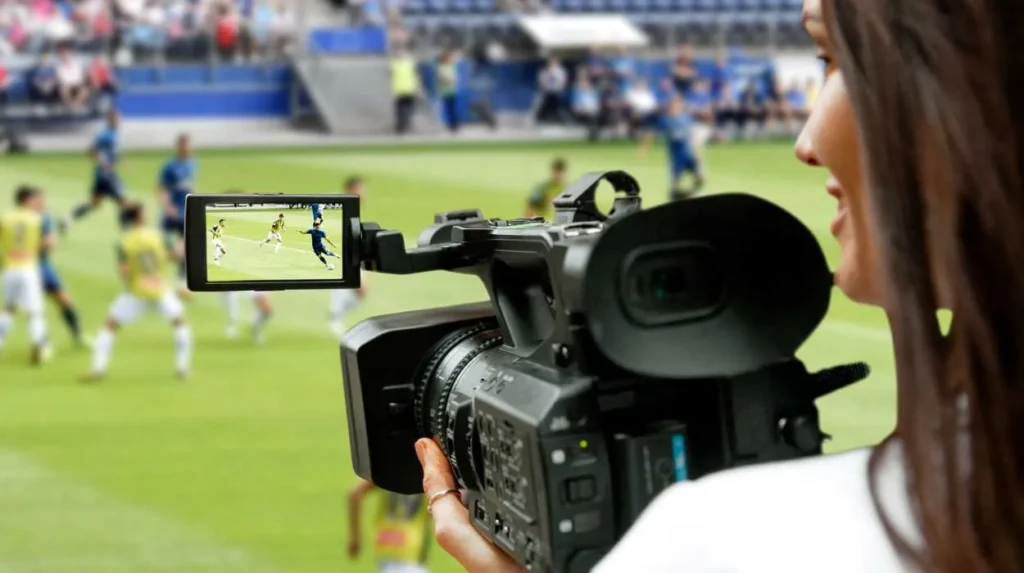
Sports journalism refers to a specialized form of journalism, which claims only reports, analysis and coverage of news and stories that are involved in sports, sportspersons, teams, tournaments, and sports events. It entails reporting all aspects of matches and performances of the players, business of sports, scandals and human interest stories around the players.
Sports journalists operates on different media outlets such as newspapers, magazines, television stations, radio stations, digital platforms, and social media to provide the correct, entertaining, and timely sports news to people globally. Sports writing and communication are not the only skills needed in this field but also the knowledge of sports rules, strategies and culture.
Sports journalism is the connecting link between sports and fans, and this is why it is a necessary part of the contemporary sports industry.
Types of Sports Journalism
- Print Journalism: Article writing Sports articles, features and match reports in newspapers and magazines.
- Broadcast Journalism: This is the news of sports broadcast (wireless linear) on radio and television broadcasting.
- Digital/Online Journalism: Preparation of sports news on websites, blogs, and online news portals.
- Photojournalism: It involves taking strong pictures during sports events which are used to narrate stories.
- Sports Commentary: This involves live or recorded analysis and commentary of sporting events.
- Investigative Sports Journalism: Raising stories of scandals, corruption and backdoor dealings in sport.
- Sports Blogging: Posting personal views, analysis and comments in the form of independent blogs.
- Social Media Journalism: Reporting on sports events and news by use of a social media platform in real time.
Skills Required for Sports Journalism
- Excellent Writing Skills: Good writing capability, capability to write coherent, interesting well-constructed content within strict deadlines.
- Profound Sports Knowledge: In depth knowledge of any of the sport forms, rules, player, teams and historical backgrounds.
- Skills in research: Exquisite abilities in verifying facts and researching background in order to be accurate.
- Communication Skills: Good interviewing skills/ interpersonal skills to deal with athletes, coaches and officials.
- Digital Proficiency: Knowledge of content management programs, social media, video editing, and multimedia applications.
- Quick Thinking: This skill involves having the ability to analyze ruling and reporting on events in real time.
- Objectivity & Ethics: Being unbiased, just and ethical in the process of reporting.
- Networking Expertise: Activities of developing and sustaining networks with sports stars and industry players.
- Adaptability: Capability to work odd hours such as evenings, weekends and even during major sporting events.
- Love of Sports: Interest and commitment to tracking sports always.
Sports Journalism Courses & Education
B.A. in Journalism Mass Communication (BJMC)
The Bachelor of Arts in Journalism and Mass Communication is a three-year undergraduate course that offers a whole-bespoke training on all facets of journalism, which includes print, broadcast and web media. In this course I do not only get the basic topics of news reporting, media ethics, communication theory, but also have specialized subjects on sports reporting.
The students are taught about the basic writing skills, media law, and exposure to practical skills that will form the foundation of winning careers in sports journalism..
How to Start:
- Complete 10+2 from any stream
- Either use merit or entrance exams.
- Opt whenever possible to take sports electives.
- Acquire a portfolio through the program.
Mass Media with a Focus on Sports Writing
This degree course is a specialized course, and it incorporates the general principles of mass communication and intensive training of sports writing and reporting. Students are provided with specific training on how to report on various sports, the description of the performance indicators of athletes, and formation of a distinct voice in sports reporting.
Training Curriculum Practical assignments, usually involving live sporting events; sports feature creation, and knowledge of business of sports media, prepare graduates for instant employment in fields of sports journalism.
How to Start:
- Sports specialization in research universities.
- Pass the eligibility requirement (typically 10+2)
- Taking entrance examinations.
- Participate in workshops and sporting events.
M.A. in Journalism or Sports Journalism
A two-year postgraduate course, Master of Arts in Journalism or Sports Journalism is offered to students aiming at pursuing more knowledge and leadership skills in sports journalism. This course provides advanced knowledge in investigative journalism, multimedia monitoring, sports analytics, and media management.
The students conduct in-depth research projects, operate in internships with large organizations in sports media, and master particular skills in such fields as sports broadcasting or the creation of sports content online.
How to Start:
- Bachelors degree in any field fully.
- Customer-definite postgraduate entrance examinations.
- Send samples of published material.
- Create a purpose statement.
Postgraduate Diploma in Sports Journalism
The one-year intensive diploma is the best course that can be studied by working professionals or graduate people in sports journalism, who do not want to dedicate a full master degree to this field. The course revolves around field training in live reporting, sports commentary, interviewing skills and content creation on the web.
Several of these schools offer compulsory placements with a recognized sports media house and this costs a lot of exposure in the industry and connected contacts that need to commence your profession in sports journalism in a short span.
How to Start:
- Bachelor of Degree in recognized university.
- Directly apply to journalism institutions.
- There are programs where entrance interviews are mandatory.
- Confirm online/distant possibilities.
Certificate Courses in Sports Journalism
Three to six months include short-term certificate development courses that provide specific expertise in sampling the desired sports journalists or those wishing to enhance existing professional journalism in this area. These low entry, part time courses take care of a particular detail such as sports writing skills, broadcasting basics, or production of sports content online.
These courses are available in many well known journalism universities and online delivery and thus accessible to students, career changers, and working professionals who would like to trial the waters before incurring longer courses.
How to Start:
- Admission by journalism schools.
- Select online or offline.
- No rigid requirements of eligibility typically.
- Quickly accomplished within adaptable periods.
Suggested Read: Best Mass Communication Colleges in India
Career Opportunities in Sports Journalism
Types of Jobs
- Sports Reporter: It involves attending live sporting events, doing interviews and writing of match reports.
- Sports Anchor: News broadcasting successful sports news and updates on television or radio channels.
- Sports Commentator: The duty is to give commentary and analysis in real-time live broadcast sports.
- Sports Columnist: Writing column articles and opinion columns.
- Sports Editor: Sports content management, articles editing, and management of sports journalism teams.
- Sports Photographer: Turning in interesting shots of sporting events to the media houses.
- Digital Content Creator: No- go to Provide multimedia sports material to websites and social media.
- Sports Podcast Host: Production and presentation of audio material talking about sports.
- Sports Documentary Maker: The creation of depth video documentaries in sports topics.
- Freelance Sports Writer: Freelance journalism with publications and various websites.
Workplaces
- Newspapers and Magazines: This is a traditional print media which has a dedicated sports section.
- Television Stations: Sports stations, news stations and full time sports channels.
- Radio Stations: AM/FM stations having sport programming and commentary programs.
- Digital Media Companies: Online news web portals, sports websites, and mobile applications.
- Sports Organizations: Formed media teams on the leagues, franchises, and sporting associations.
- Sports Marketing Agencies: News content creation of a sports brand and athlete management companies.
- OTT Streaming: Streaming companies creating original sports content and coverage.
- Independent Ventures: Self employed bloggers, YouTube creators and social media influencers.
You Might Like: How to Create a YouTube Channel for News Portal
Salary Expectations and Growth Prospects
| Experience Level | Typical Annual Salary Range (INR) | Notes | Growth Outlook |
|---|---|---|---|
| Entry (0–2 years) | ₹3,00,000 – ₹4,00,000 | Common for freshers in print, digital, or local sports desks. | Limited initially; focus is portfolio building, reporting basics, and event coverage. |
| Early career (2–5 years) | ₹4,00,000 – ₹6,00,000 | Improved pay with beat specialization (cricket, football, local leagues) and video skills. | Moderate; digital sports platforms expand opportunities. |
| Mid-career (5–10 years) | ₹6,00,000 – ₹10,00,000 | Roles such as sports correspondent, video host, in-depth analyst. | Strong growth if you build niche authority or multimedia capability. |
| Senior / Specialist (10+ years) | ₹10,00,000+ (can be ₹15 lakh or more) | Senior editors, lead correspondents, TV presenters, large-audience digital creators. | High for those with strong reputation, bylines, or cross-media presence. |
- Freelance Earnings: These are variable incomes, which vary according to assignments, fame, and client base.
- Growth Trajectory: Excellent prospects of becoming an editorial leader, broadcasting star or becoming an independent entrepreneur.
- International Opportunities: Seasoned workers have an opportunity to look at jobs in international sporting agencies and publications.
- Compensation on Skill Premium: Experts in sports or multimedia skills that are sought after are more highly paid.
How to Get Into Sports Journalism
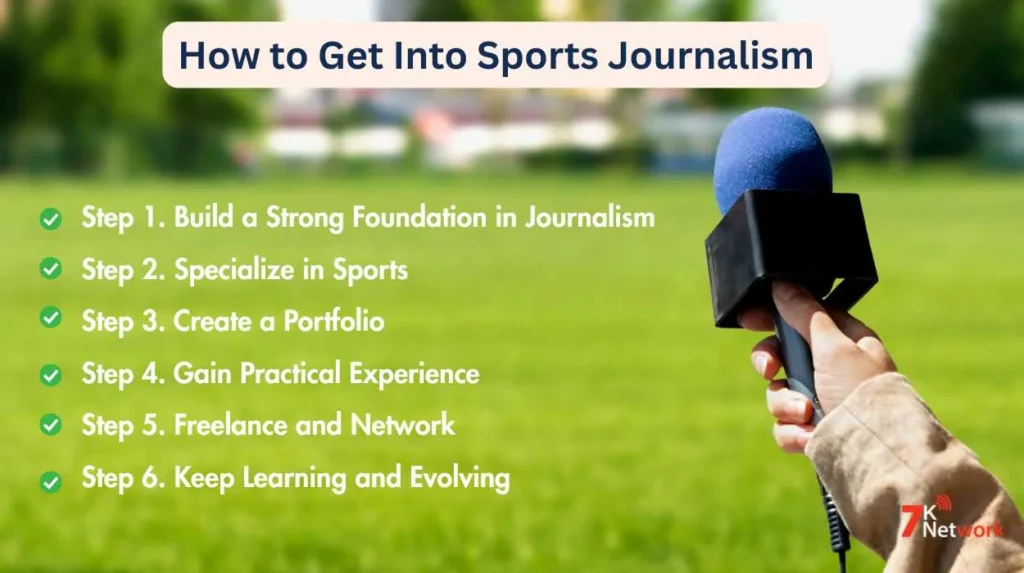
Step 1. Build a Strong Foundation in Journalism
Attend an approved journalism course that offers basic reporting, writing skills and media ethics. Hone your language, grammar and story telling skills with practice. Research different styles of journalism and get acquainted with the media law and ethics.
Enroll in both traditional and digital media courses that will enable you to develop multi-platform skills.
Step 2. Specialize in Sports
Live in the Bubble: Diehard sports fans on all media platforms will surely keep abreast of myriad types of sport events. Learn history, rules and strategies of major sports. Enroll in special courses or electives that are based on sports journalism.
Watch sporting events at least once a month to have an experience of the live conditions, the interactions between the players, and how the game plays in real-time, not just in the broadcast.
Step 3. Create a Portfolio
Even when you are yet to have your first employment, you should start writing sports articles, match reports, and feature articles. Make a personal blog or write on college magazines or journals to present your work.
It is important to have your best work in a professional portfolio, which indicates your writing style and knowledge of sports. Use a variety of samples in which there is a range of different sports and kinds of journalistic materials.
Step 4. Gain Practical Experience
Get internships in newspapers, sports websites, television or radio stations in the process of studying. Volunteer to report on local sporting events in publications or on-line media in the community.
Shadow senior persons in sports journalism to learn the routine activities in the job and how the industry is operated. Take bottom level jobs which offer on the job experience though not initially perfect.
Step 5. Freelance and Network
Diversify to be a freelance writer at several places and in this way gain experience, credibility and contacts in the industry. Participate in sports events, media briefings, and journalism seminars so as to connect with professionals.
On social and professional websites, network with athletes, coaches, PR professionals, and other journalists. Form contacts, which may result in the unique stories, employment opportunities, and mentorship.
Step 6. Keep Learning and Evolving
Keep abreast with changing journalism technologies, such as video production, podcasting, and social media strategies. Always widen your knowledge in sports by reading about new sports and other sports events around the world. Expand your skill sets to include skills such as data analysis, graphic design or video editing to become more marketable.
Dynamism of media content needs and your career you should adapt dynamically to new media content schedules and preference changes of audience.
Is Sports Journalism a Good Career?
- Passion Meets Profession: Get a chance to do what you really love and are exciting at.
- Change of Dynamic Work Environment: No two days go by the same way; there exists constant variety making work exciting and involving.
- Access to Sports World: Closely connected with the athletes, coaches, and is able to have access to sporting events.
- Growing Industry: More opportunities in sports media than ever before with growing digital platforms.
- Various career opportunities: Flexibility to operate in various media forms and sports specialization.
- Travel Opportunities: Traveling internationally to national and international tournaments and championships can be covered.
- Professional Development: Education and training make your professional skills, fresh and up to date.
- Recognition through the publics: Like any successful sports journalist, one gets visibility and is able to establish a robust personal brand.
Pros and Cons
Pros
- Exciting Work: Reporting on exciting sports events and taking part in sporting history.
- Various Opportunities: There are a number of different careers in regards to writing to broadcasting to creating digital content.
- Always Learning: Never bored on discovering new sports, athletes and cover stories.
- Flexible career Choice: Capability to freelance, specialize or work in any established organizations.
- Networking: Networking leads to different professional opportunities in the sports industry.
- Creative Expression Freedom to explore your personal voice and style of storytelling.
- Job Satisfaction: Extremely satisfied with doing what you love to do every day.
Cons
- Unregulated Hourly: The working schedules are irregular such as evening time, weekends and holiday times when majority of sporting activities have been scheduled.
- Strong Competition: There are a lot of potential journalists who are fighting over few slots to work, and most especially in the top organizations.
- First Low Pay: Low salary may be small at the beginning of the career as compared to other professional jobs.
- Stress on deadlines: The regular stress on meeting deadlines, particularly at live events cover.
- Job Insecurity: Freelance and contract jobs can be unstable and do not have benefits.
- Physical Requirement: There is excess traveling, many hours on foot during eventings, and odd hours of work, which impinge on the work-life balance.
- Bias and Criticism: Public scrutiny and criticism with regard to social media regarding opinions and reporting.
- Indeterminate Career Path: It is up to the talent and luck of an individual and networking as opposed to established progression.
Conclusion
Sports journalism is a very exciting profession that any individual who loves sports and narrating stories would love. The sports journalism field has increased many opportunities, which result in a larger number of prospects and different niches where a qualified person can ascend.
Although the profession requires commitment, lifelong learning, odd hours, and hustle despite the competition, the payoff of sharing historic sporting events, meeting great sports heroes, and making a livelihood doing what you love will make the life worth it. Sports journalism will demand a set of formal education and practical experience and high levels of networking and also dedication to journalism ethics and standards, which can only be achieved through diligence and high standards.
Building a credible digital identity has become essential, and this is where platforms like 7knetwork have been working for the last 4 years. As a specialized digital media partner, we help journalists create their own professional platforms—personal news sites, digital portfolios, and branded content spaces that strengthen recognition and enhance career mobility.
It is crucial to remember that you will be either a famous sports commentator, an investigative sports reporter, or a digital content creator, so the earlier you start, the better portfolio you will have, and the more flexible you will be to the ever-changing world of media. Sports journalism can be a highly rewarding and vibrant profession to the person who is truly athletic and a communicative zealot.
FAQs
What are the qualifications of sports journalism?
The degree preferred is in journalism or mass communication. Success will require good writing skills, knowledge in sports and experience.
Is it possible to be a sports journalist without a degree in journalism?
Yes, you can get into the field with any education with a good portfolio, the usual experience as well as writing skills.
What is the pay entry in sports journalism?
Entry-level salaries range from ₹2.5 to ₹5 lakhs annually in India, increasing with experience and expertise.
What are the sports I should pay attention to as a novice?
Begin with local sports such as cricket or football but niche sports can provide a niche opportunity with less competition.
Is sports reporting merely to write?
No, it involves broadcasting, photography, videography, podcasting and social media content on various platforms.
What is the value of networking in sports journalism?
Very important. Good relationships with sportsmen, coaches and media workers provide access to untold stories and career openings.